
Ever wonder why an Apple product feels like it was made by a single mind, even though thousands of people worked on it? It’s not magic. It’s a hiring machine built to filter out anyone who doesn’t fit a very specific mold of craft and collaboration.
If you are looking to join the team behind the iPhone or macOS, you need to understand that Apple isn’t just buying your skills. They are vetting your ability to stay in a room with engineers, marketers, and executives for years without breaking the team’s rhythm. This is how they recruit global talent while keeping their internal culture tight as a drum.
The Three Pillars of Apple Design Hiring
Apple doesn't hire "designers" in a vacuum. Their organization is split into three distinct families, and your application will be routed based on which one fits your background. Knowing this helps you tailor your resume before you even hit submit.
- Industrial Design: This is the hardware side. Think physical products, materials, and manufacturing. This group traces its roots back to Sir Jonathan Ive in the 1990s and created the iMac, iPod, and iPhone bodies.
- Human Interface Design: This covers software UX/UI. If you want to work on iOS, watchOS, or the Finder, this is your lane. These teams recruit globally because software needs to feel intuitive across different cultures and languages.
- Communications Design: This handles marketing visuals, brand communications, and retail experiences. It bridges the gap between the product and the public perception of it.
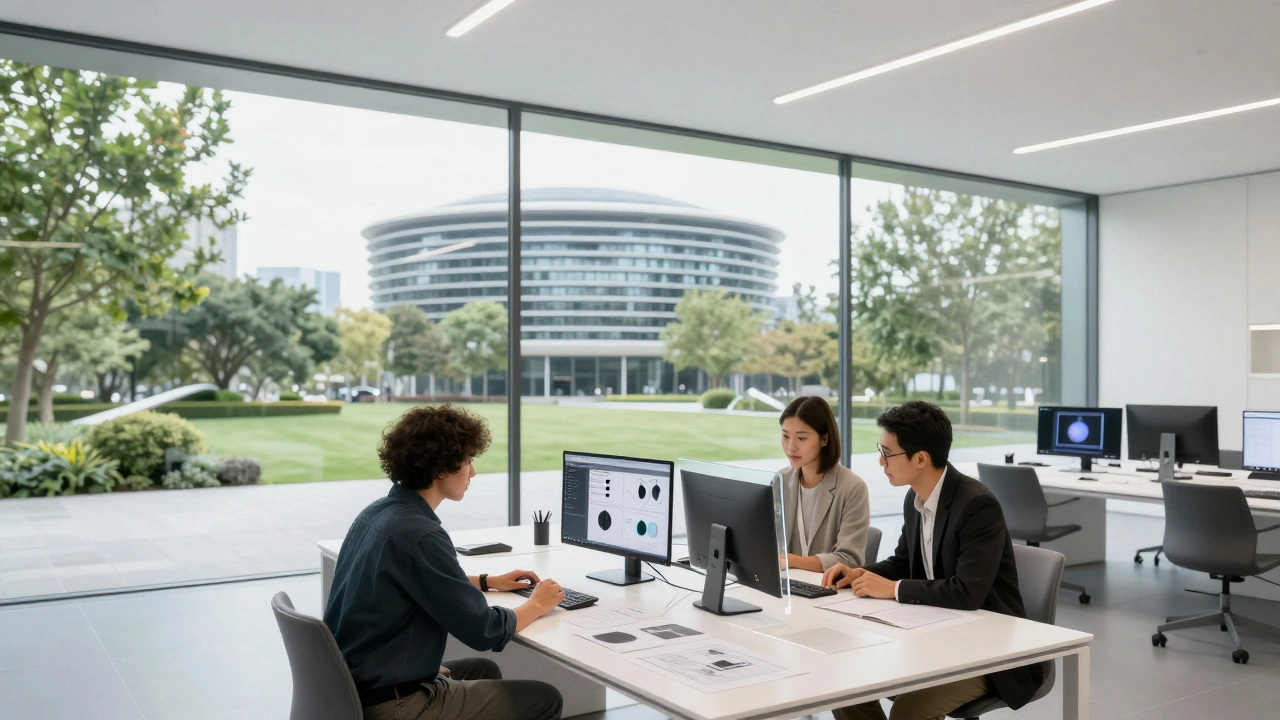
In 2026, these teams are more integrated than ever. You won't just sit in a design silo. You’ll be co-located with engineering at hubs like Apple Park in Cupertino or other global offices. The goal is end-to-end ownership, meaning a UX designer might need to understand how their interface impacts the hardware sensors or the marketing copy.
The Gauntlet: A 4-to-8 Week Interview Loop
Forget quick hires. Apple’s process is designed to be slow. Why? Because a bad hire disrupts team cohesion for months. A good hire stays for years. The timeline typically spans 4 to 8 weeks, involving 5 to 8 rounds of interviews. Here is what that funnel looks like in practice.
- Recruiter Screen (30 mins): A standard check of your background, visa status, and salary expectations. They want to ensure you meet the basic qualifications before wasting a designer’s time.
- Designer Phone/FaceTime Screen (45 mins): This is the first real test. A current designer will look at your portfolio. They aren't looking for flashy trends; they are looking for depth. Expect to walk through two major projects in detail.
- The Onsite Loop (Virtual or In-Person): This is the big day. You will face 5 to 8 interviews in a row. The panel includes lead designers, project managers, and sometimes engineering leads. They rotate you through different contexts to see if you can collaborate with various personalities.
Candidates often report that the loop feels less like an interrogation and more like a series of intense conversations. However, the pressure is high. Every interviewer is assessing whether you can handle feedback, defend your decisions with data, and keep the conversation moving forward constructively.
Portfolio Strategy: Craft Over Wireframes
Here is where most candidates fail. They bring sketches, messy user journey maps, and low-fidelity wireframes. At Apple, those are considered filler. The recruiters and hiring managers have explicitly stated that they care about craft, details, visuals, and the final product experience.
Your portfolio needs to show pixel perfection. If you claim you designed a mobile app, they want to see the final UI states, the micro-interactions, and the typography choices. They want to know that you obsess over the small stuff because that obsession scales up to the entire product ecosystem.
But don’t just show pretty pictures. You must explain the why. For each project, be ready to discuss:
- How you defined the problem.
- What user research or data drove your decisions.
- Where you faced conflict and how you resolved it.
- The measurable impact of your design.
This approach proves you aren't just an artist; you are a problem solver who respects the business goals and the user's needs equally.
Why Cross-Functional Interviews Matter
Notice that Product Managers (PMs) and Project Managers are part of your interview loop. This is intentional. Apple designs for complex systems. A UX designer at Apple is expected to distill highly complex business processes into clean solutions.
If you can't communicate clearly with a PM, you will bottleneck the development cycle. During the interviews, pay attention to how you interact with non-designers. Can you translate design jargon into plain English? Do you listen actively, or do you just wait for your turn to speak? These soft skills are weighted heavily because long-term team cohesion depends on mutual respect across disciplines.
One candidate noted that the conversations with Apple designers were some of the richest they’d ever had, turning humorous and personal at times. This signals that they are screening for personality fit. They want someone who brings positive energy to the daily stand-ups and late-night crunch sessions.
Compensation and Retention: The Price of Excellence
Apple pays top dollar to keep these cohesive teams intact. High turnover destroys design consistency. To prevent that, they offer competitive compensation packages that rival Google, Meta, and Microsoft.
| Component | Range (USD) | Notes |
|---|---|---|
| Base Salary | $105,000 - $157,000 | Varies by location and seniority |
| Annual Bonus | $37,000 - $68,000 | Performance-based cash bonus |
| RSUs (Stock) | Significant portion | Vests over 4 years, encouraging retention |
| Total Compensation | $142,000 - $225,000+ | Higher for senior roles in Bay Area |
The Restricted Stock Units (RSUs) are key here. They vest over four years, which aligns your financial success with the company’s long-term performance. This structure ensures that designers think about the product roadmap years down the line, not just the next quarter’s features.

Global Reach, Local Impact
Apple operates in more than 25 countries and over 100 cities. Their design recruiting strategy reflects this global footprint. They don't just hire locally in California. They recruit UX designers worldwide for iOS, web, and internal tools.
This means you might be interviewing from London, Tokyo, or Berlin. The process has adapted to remote realities. Even before the pandemic, Apple was comfortable running intensive virtual loops via FaceTime. In 2026, this remains standard. You might never visit Apple Park during the hiring process, but the rigor hasn't decreased.
However, cultural nuances matter. When applying from outside the US, highlight any experience working with distributed teams or cross-cultural users. Apple values designers who can empathize with a global user base, ensuring that interfaces feel natural regardless of language or region.
How to Prepare: A Practical Checklist
Don't wing it. Preparation takes weeks. Here is how to position yourself for success.
- Refine Your Top Two Projects: Choose cases that show end-to-end ownership. Strip away the fluff. Focus on the final visual output and the strategic thinking behind it.
- Practice Storytelling: Record yourself walking through your portfolio. Time it. Aim for clear, concise explanations. Avoid rambling.
- Research Apple’s Design Language: Understand the principles of simplicity, clarity, and depth. Be ready to discuss how your work aligns with or challenges these norms.
- Prepare Questions for Interviewers: Ask about team dynamics, recent product challenges, and how design decisions are validated. Show curiosity about their workflow.
- Network Strategically: Use LinkedIn to find Apple recruiters or designers. Attend campus fairs or design conferences. A warm introduction can get your resume noticed faster.
Remember, Apple is looking for partners, not just employees. They want people who will help them build products that last decades. If you can demonstrate that level of commitment and craft, you have a shot.
Does Apple still use take-home design challenges?
Generally, no. As of 2026, Apple has moved away from lengthy take-home assignments for most design roles. Instead, they rely on live portfolio reviews and conversational interviews to assess your skills. This shift saves candidates time and allows interviewers to evaluate your thinking process in real-time.
What is the average duration of the Apple design interview process?
The process typically takes between 4 to 8 weeks from the initial recruiter screen to the final offer. This includes multiple rounds of phone screens and a full-day onsite loop (virtual or in-person). The extended timeline allows for thorough evaluation by multiple stakeholders.
Can I apply for Apple design roles if I am not in the United States?
Yes. Apple recruits globally for Human Interface and Communications Design roles. They have offices and teams in many countries. While relocation support varies by role, many positions are open to international candidates, especially those with specialized expertise or local market knowledge.
How important is visual craft compared to user research at Apple?
Both are critical, but visual craft carries significant weight in the initial screening. Apple expects pixel-perfect execution. However, during deeper interviews, your ability to justify design decisions with user data and research becomes paramount. You need to balance aesthetic excellence with functional utility.
What types of questions do Product Managers ask in the design loop?
Product Managers focus on collaboration and trade-offs. They may ask how you handle conflicting requirements, how you prioritize features under tight deadlines, and how you communicate design constraints to non-designers. They are assessing your ability to work within the broader product lifecycle.