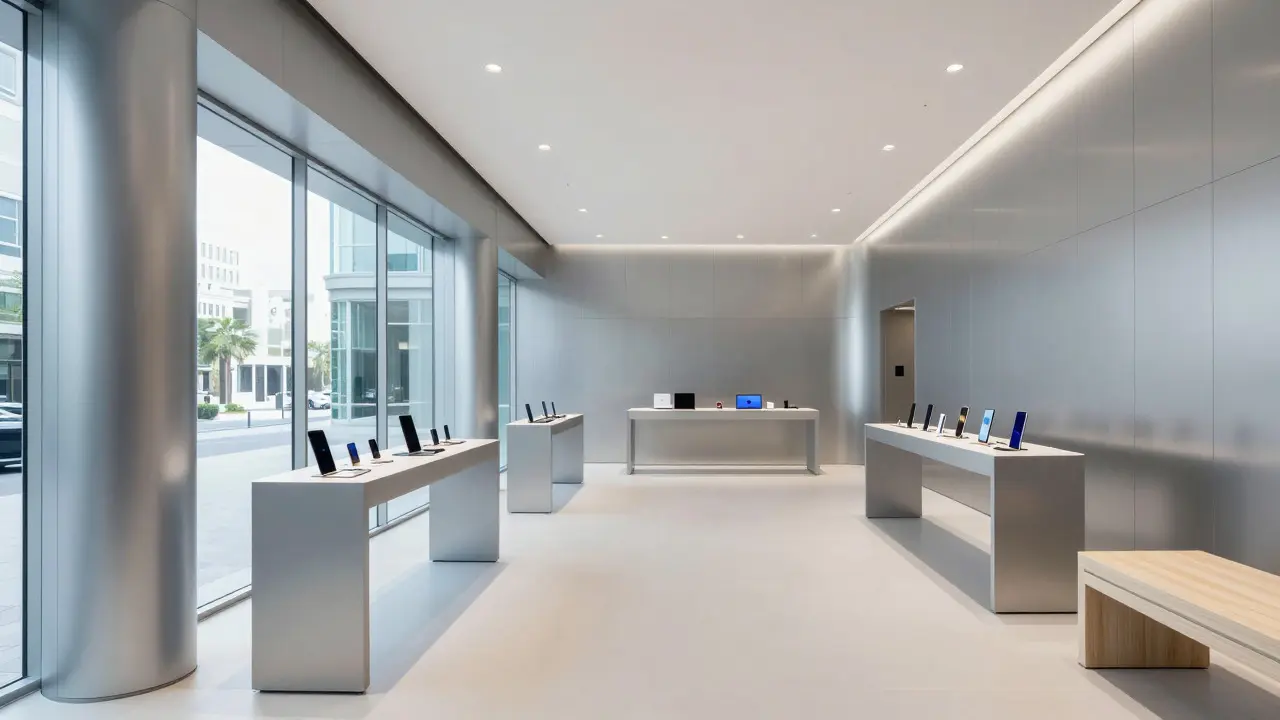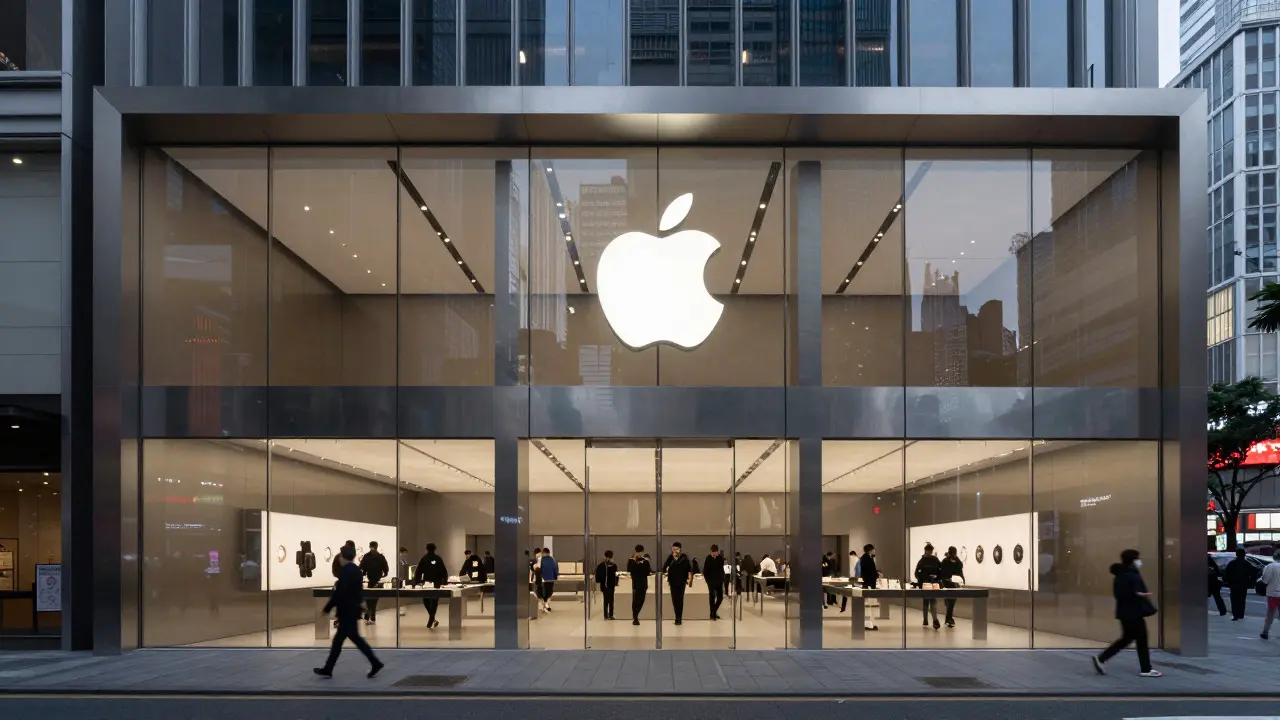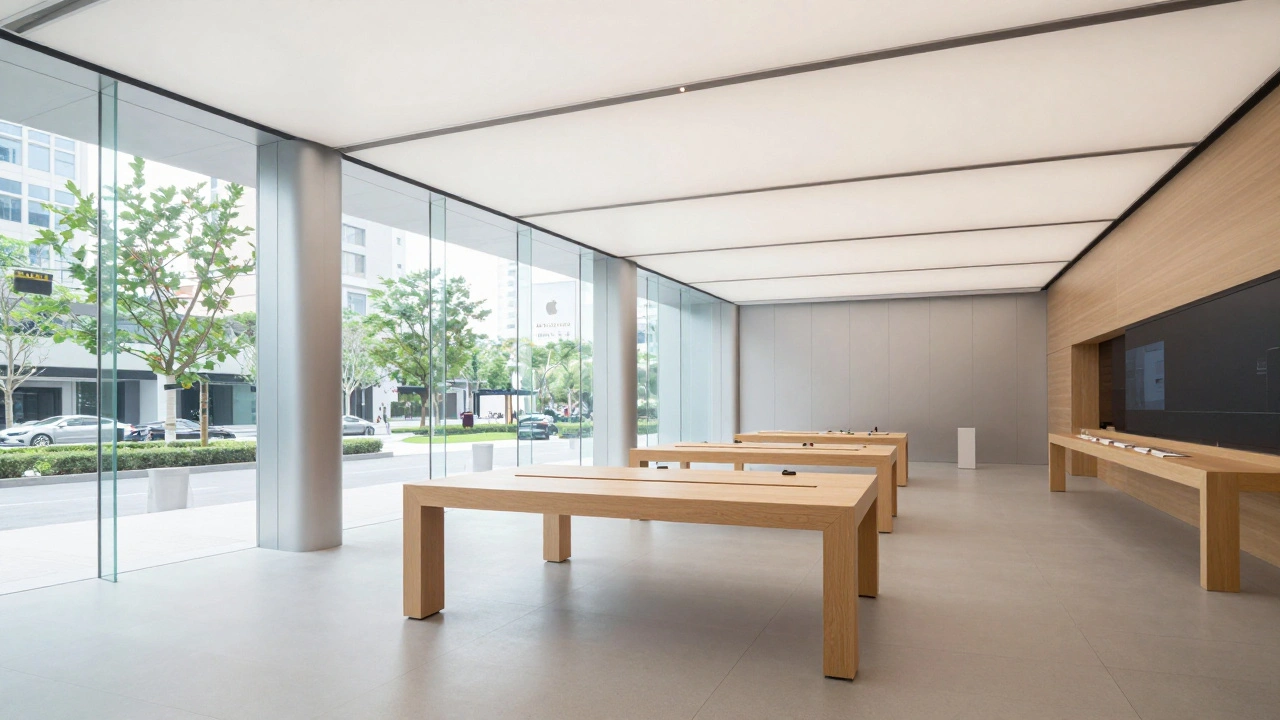

Walking into an Apple Store doesn't feel like walking into a computer shop. There are no cluttered counters, no dusty shelves of cables, and certainly no hidden workshops where your device disappears behind a curtain. Instead, you find the Genius Bar is a technical support service provided by Apple Inc. inside Apple Stores to support the use of its products and services, offering concierge-style, face-to-face support . It is a masterclass in retail design, where the goal isn't just to fix a screen, but to build a psychological bridge of trust between a frustrated user and a complex machine.
Breaking the "Help Desk" Wall
Traditional tech support is often designed as a barrier. Think of a high counter, a ticket system, or a phone line that puts you on hold for forty minutes. Apple flipped this script by removing the physical and emotional walls. By creating an open, approachable layout, they shifted the vibe from "transactional problem-solving" to "concierge-style assistance."
When you stand at the Genius Bar, you aren't just a customer with a broken phone; you're a collaborator. The layout encourages a side-by-side interaction. Instead of the technician standing behind a desk (which signals authority and distance), the Genius (the certified technician) works with you. This physical proximity reduces the anxiety of the "broken device" and makes the troubleshooting process feel like a shared journey.
The Psychology of the Welcoming Space
Ever notice how you feel okay walking into an Apple Store even if your device isn't actually broken? That's intentional. The design philosophy emphasizes an inviting environment that encourages preventative maintenance. Most repair shops are places of desperation-you only go when something is dead. Apple designed their support spaces to be destinations for learning.
This openness serves a dual purpose. First, it allows customers to explore how their products operate, which reduces the number of simple "how-to" tickets. Second, it builds a relationship with the brand before a crisis happens. When you feel welcome to visit without a problem, you're far more likely to trust the staff when a critical hardware failure actually occurs.
Balancing Transparency and Proprietary Power
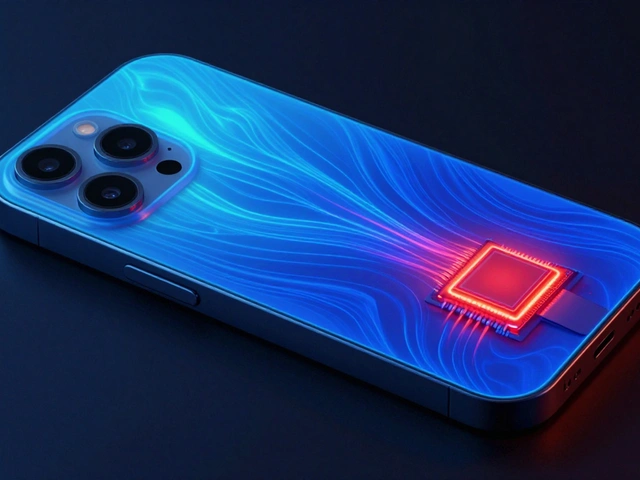
Trust is hard to build when the internal workings of a device are a mystery. Apple handles this by focusing the experience on diagnostic transparency. Using proprietary diagnostic tools, Geniuses can show you exactly what's happening inside your device. Whether it's a bloated lithium-ion battery or a failing logic board, the ability to explain the "why" through data helps justify the premium pricing.
| Feature | Genius Bar (Official) | Independent Repair Shops |
|---|---|---|
| Parts Source | Genuine OEM Parts | OEM, Refurbished, or Aftermarket |
| Warranty Status | Maintains Manufacturer Warranty | Risk of Voiding Warranty |
| Cost | Premium / Higher | 40-60% Lower on average |
| Documentation | Official Records for Insurance/Lease | Standard Store Receipt |
| Turnaround | Varies (Shipment to Repair Center) | Often faster for common repairs |
The Economic Logic of the Experience
Let's be honest: the Genius Bar is often more expensive than the shop down the street. A MacBook screen repair might cost nearly $1,000 at Apple, while a reputable local shop might quote closer to $325. So, why do people still go? Because Apple isn't selling a repair; they're selling peace of mind.
For users with AppleCare+, the design of the service becomes an incredible value proposition. The insurance transforms a potentially devastating $500+ repair into a manageable deductible of $99 to $299. In this scenario, the retail space becomes the physical manifestation of a safety net. For businesses, the official documentation provided by the Genius Bar is essential for regulatory compliance and insurance claims-something a local shop simply cannot provide.
From Retail to Enterprise: The "Genius" Ripple Effect
The influence of this design isn't limited to shopping malls. The "Enterprise Genius Bar" concept has migrated into corporate IT departments. Companies are realizing that the old "ticket-based" help desk is soul-crushing for employees. By adopting face-to-face interaction and a welcoming, open-floor plan, internal IT teams are improving their relationships with the staff they support.
This shift proves that the core of the Genius experience isn't the technology-it's the human interaction. When you remove the friction of a formal appointment and replace it with a conversational environment, people stop fearing the IT department and start using it as a resource for growth.
Practical Tips for a Smoother Visit
If you're heading in for a repair, a few small steps can make the experience much faster. Apple strongly suggests updating your software before your reservation. Often, a pending OS update can resolve the glitch you're experiencing, saving you a trip and potentially fixing the issue before you even hit the store floor. Also, ensure you have your Apple Account and password ready, as these are the keys to both making a reservation and authorizing the repair process.
Is the Genius Bar always the best choice for repairs?
Not always. It is the gold standard for devices under warranty or those covered by AppleCare+. However, if you are out of warranty and looking for the most cost-effective solution, high-quality independent shops often provide equivalent results at 40-60% lower costs.
How long does a typical iPhone repair take at the Genius Bar?
Screen and battery replacements are often handled same-day. For more complex issues requiring shipment to an Apple Repair Center, devices are typically returned or ready for pickup in approximately three days.
Can I just walk into a Genius Bar without an appointment?
While you can visit a store, reservations are highly recommended via the official website to avoid long wait times. You'll need your Apple Account and password to secure a time slot.
Do they fix non-Apple products like Beats?
Yes, the Genius Bar and Apple Authorized Service Providers provide personal support and repairs for Beats products, following the same diagnostic and service model used for iPhones and Macs.
Will using an independent repair shop void my warranty?
Yes, using non-authorized repair channels often risks voiding your manufacturer warranty. If your device is still covered, the Genius Bar is the only way to ensure your warranty remains intact.
Next Steps for Your Tech Strategy
If you're managing a fleet of devices for a business, don't just stick to one channel. Try a hybrid approach: use the Genius Bar for critical, warranty-covered hardware and high-compliance needs, but research 2-3 highly-rated local shops for out-of-warranty accessories or minor repairs. Track your outcomes over six months based on downtime and total cost to find the sweet spot for your budget.