
Key Takeaways
- Apple is replacing generic notifications with an AI-powered "virtual health coach."
- A new subscription service, Health+, integrates nutrition tracking and expert-led videos.
- Privacy is handled via Private Cloud Compute to ensure sensitive health data stays secure.
- Integration with ChatGPT allows for deep trend analysis that standard summaries miss.
- Real-time form correction using the iPhone camera is coming to workout routines.
The Death of the Generic Nudge
We've all been there: your watch buzzes telling you to hit your activity goal while you're mid-meeting or struggling through a flu. It's an aggressive style of motivation that ignores context. Apple's new direction focuses on personalized health guidance that understands the why behind the numbers. Instead of a rigid target, the system now analyzes your heart rate trends, sleep quality, and movement data to decide if today is a day for a personal best or a day for a light stretch and a nap.
This is a move from passive data collection to active interpretation. Apple Health is no longer just a digital filing cabinet for your vitals; it's becoming an engine that explains how your resting heart rate shift over the last three weeks correlates with your stress levels. If the AI notices you're overtraining, it won't tell you to push harder-it will tell you to stop before you get injured.
Meet Health+: The Integrated Intelligence Hub
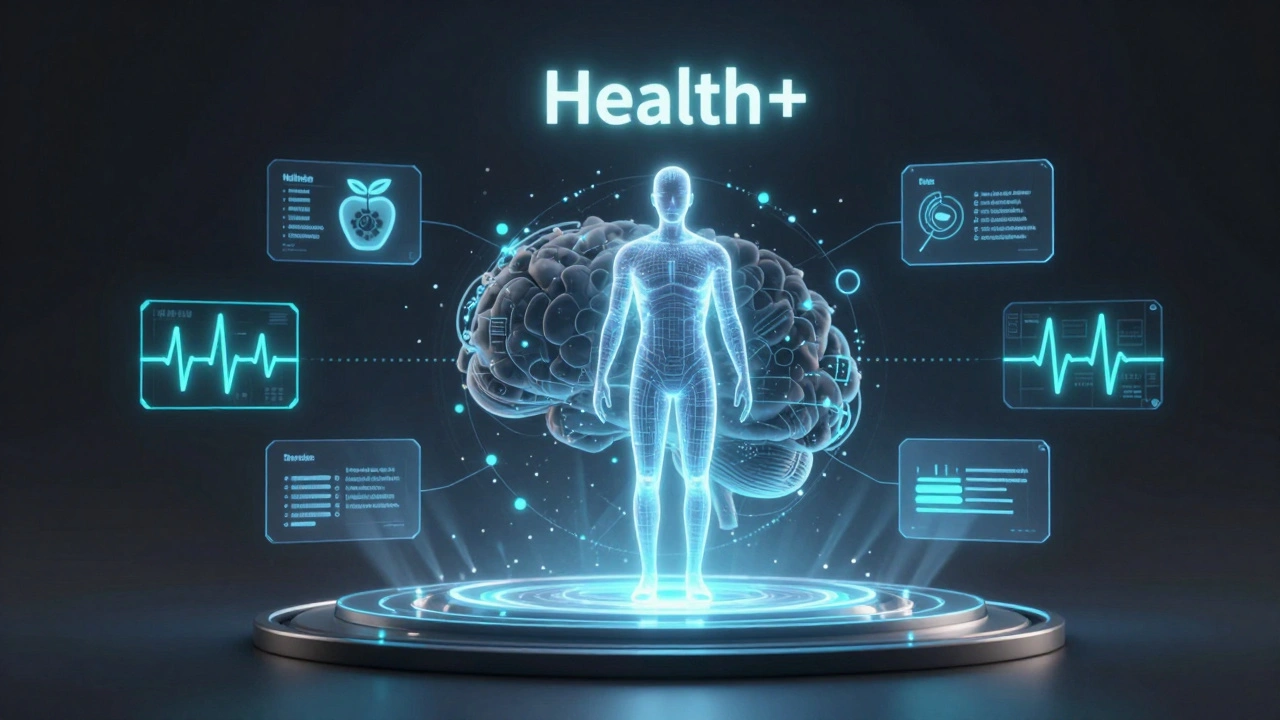
The centerpiece of this evolution is Health+, a new subscription service that bundles coaching, nutrition, and deep insights. Think of it as the brain connecting Fitness+ and the Health app. To make this feel authentic, Apple has built a recording facility in Oakland, California, where actual cardiologists, physical therapists, and nutritionists create content. This means the advice you get isn't generated by a random prompt, but grounded in clinical expertise.
One of the biggest gaps in the Apple ecosystem has been food tracking. For a long time, users had to rely on third-party apps like MyFitnessPal. Now, Apple is entering the fray with comprehensive meal tracking and calorie counting built directly into the system. By combining what you eat with how you sleep and move, the AI agent can provide nutritional advice that actually makes sense for your current physiological state.
| Feature | Traditional "Nudging" | AI-Powered Guidance (2026) |
|---|---|---|
| Activity Goals | Fixed daily targets (e.g., Rings) | Dynamic targets based on recovery |
| Notifications | Repetitive, generic prompts | Contextual, conversational insights |
| Nutrition | Manual, third-party logging | Integrated AI-assisted tracking |
| Workouts | Pre-set videos/plans | Real-time adjustment via heart rate/form |
The Role of ChatGPT and On-Device Intelligence
Apple is playing a clever game with its AI architecture. While Apple Intelligence handles the quick stuff-like organizing data and managing notifications on your device-the heavy lifting of medical reasoning is handed off to ChatGPT. By allowing users to securely connect their health data to OpenAI's models, Apple enables a level of analysis that was previously impossible.
Why does this matter? Because standard summaries are boring. They tell you your average sleep was 7 hours. The AI agent, however, can identify a "quiet correlation": perhaps you notice that your deepest sleep occurs only after a light training week, or that a subtle rise in your resting heart rate precedes a cold by two days. It's like having a clinician who remembers every single data point from the last three years and can spot a pattern before you even feel a symptom.
Turning Your iPhone Into a Virtual Coach
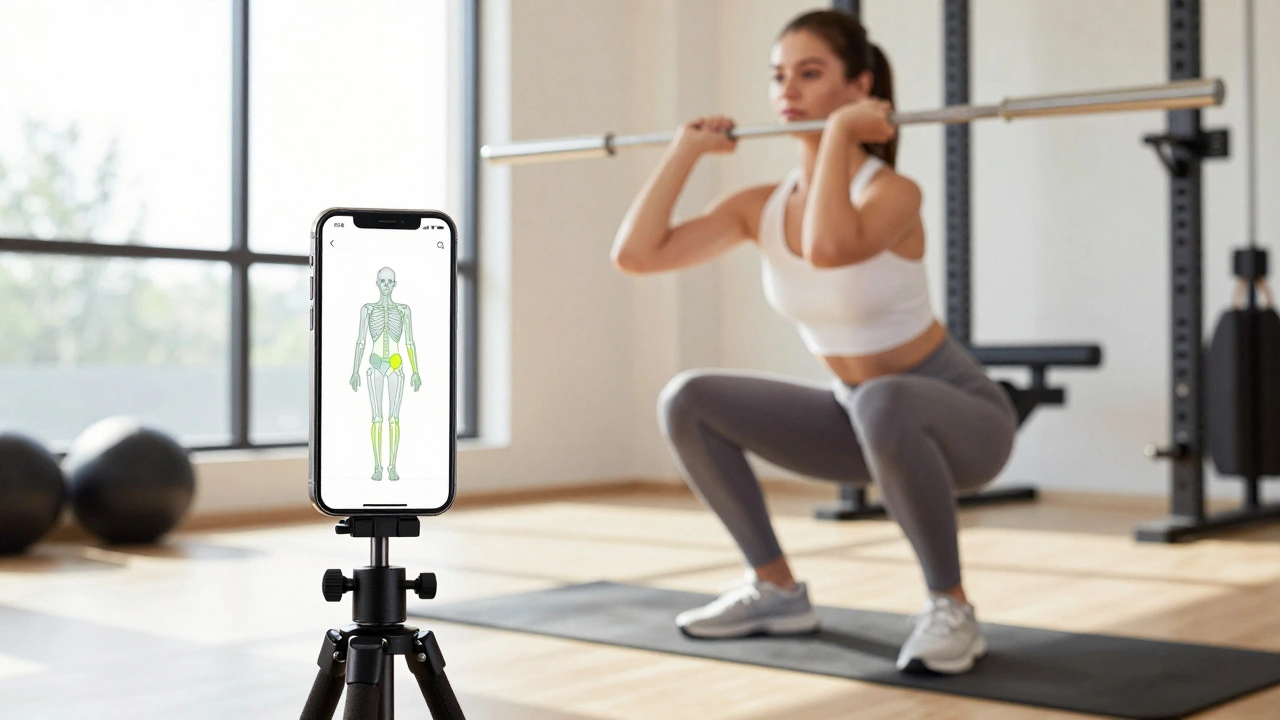
One of the most practical additions is the use of the iPhone's rear camera for real-time visual feedback. Imagine doing a set of squats and having the AI gently suggest you keep your chest up or adjust your stance to protect your knees. This transforms the phone from a stopwatch into an active participant in your workout, bridging the gap between a home workout and a personal trainer.
For those managing chronic conditions, this shift is a game-changer. Instead of showing a doctor a confusing graph of spikes and dips, users can generate a smart symptom summary. You essentially show up to your appointment with your "homework done," providing your physician with an evidence-based narrative of what changed and when, which makes the actual medical visit far more productive.
The Privacy Wall: Sacred Ground
Giving an AI access to your heart rate and sleep patterns sounds like a privacy nightmare. Apple is tackling this with Private Cloud Compute. This architecture ensures that when your data is sent for complex analysis, it is deidentified and masked. The system uses federated learning and differential privacy, meaning the AI learns from the collective patterns of millions of users without ever knowing exactly who you are.
Apple describes this health data as "sacred ground." Requests routed through AI tools are not stored, and the identifiers are stripped away. It's a necessary balance: providing the power of a Large Language Model (LLM) without turning your medical history into a training set for an ad company.
A New Way to Talk to Your Health Data
Siri is also getting a massive facelift to align with the Health+ ecosystem. No more "I found this on the web" answers. Instead, you can ask, "Siri, why have I been feeling so tired this week?" and Siri will cross-reference your sleep stages, your caloric intake from the new food tracker, and your recent activity levels to give you a personalized answer based on your own biology.
When will these AI health features be available?
Most of the major updates, including the redesigned Health app, the AI agent, and meal tracking, are scheduled to launch with the release of iOS 26.4 in early 2026.
Do I need a subscription for the AI health coaching?
While basic AI organization is part of Apple Intelligence, the advanced coaching, nutrition tracking, and professional video content are bundled into the new Health+ subscription service.
How does the camera-based form correction work?
The AI agent uses the iPhone's rear camera to analyze your movement in real-time during workouts, comparing your form against optimized patterns to provide verbal or visual cues for improvement.
Is my health data shared with OpenAI/ChatGPT?
Apple uses a secure bridge where data is processed through Private Cloud Compute. Identifiers are masked and requests are not stored, ensuring that OpenAI provides the reasoning capabilities without compromising user identity.
Will the AI tell me to work out if I'm sick?
No. The core philosophy of the new system is to prioritize recovery. By analyzing indicators like resting heart rate and sleep quality, the AI is designed to suggest rest or lighter activities when your body shows signs of strain or illness.
Next Steps for Users
If you're looking to get the most out of these updates, start by ensuring your current health data is clean. Sync your third-party devices and keep your sleep and activity logs consistent. Once iOS 26.4 hits, the first thing you should do is explore the new Health+ dashboard to see how the AI interprets your last few months of data. If you have a chronic condition, try using the new summary tool before your next doctor's visit to see how much more productive the conversation becomes when you have a data-backed narrative.
Categories
Popular Articles